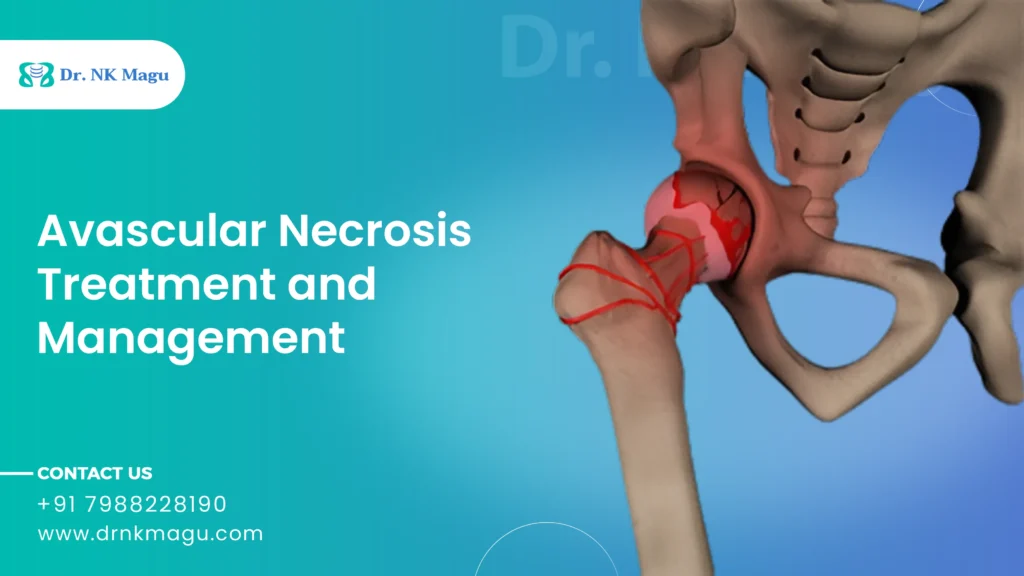
Avascular necrosis (AVN), also known as osteonecrosis, is a serious bone condition that occurs when the blood supply to a bone is disrupted, resulting in the death of bone tissue. Without timely treatment, AVN can lead to bone collapse, joint destruction, and long-term disability.
It most commonly affects the hip, knee, shoulder, and ankle joints. Although it can affect any age group, it is most commonly seen in people aged 30-50 years. In this blog, we’ll learn what avascular necrosis is, its symptoms and causes, and treatment & management. Let’s begin.
What is Avascular Necrosis?
Avascular necrosis (AVN) is the death of bone tissue that occurs when the tissue doesn’t receive enough blood supply. Bones, just like any other tissue, need a constant flow of blood to stay healthy. When the blood flow reduces, bone cells weaken and eventually die.
It can worsen over time, and that’s why early diagnosis and treatment are vital to keep the disease from causing more damage to the bones.
Causes of Avascular Necrosis
Several causes that can interrupt the blood supply to the bone tissues are:
- Trauma or Injury: A fracture that directly damages the surrounding blood vessels that reduce blood flow to the bone. Hip fractures are one of the most common causes.
- Alcohol Consumption: Excessive alcohol consumption increases the fat levels in the blood. It can clog the arteries that supply blood to the bone.
- High-dose Steroid Use: High or long-term use of corticosteroids can increase fat deposits in blood vessels that can restrict blood flow.
- Medical Conditions: Conditions such as sickle cell disease, HIV, diabetes, pancreatitis, and blood-clotting disorders keep blood from flowing to the bone tissues.
Common Symptoms
In the early stage, AVN doesn’t show any symptoms because it often starts silently. Symptoms may appear when the disease progresses:
- Mild joint pain during movement
- Stiff joints and pain even at rest
- Reduced range of motion
- Limping (especially in hip AVN)
- Pain after putting pressure or weight on the bone
- Difficulty walking and climbing stairs
How to Diagnose Avascular Necrosis?
Doctors use a combination of clinical evaluations and imaging tests to diagnose AVN:
- Physical Examination: By pressing around joints and moving the joints through different positions to check for tenderness and range of motion.
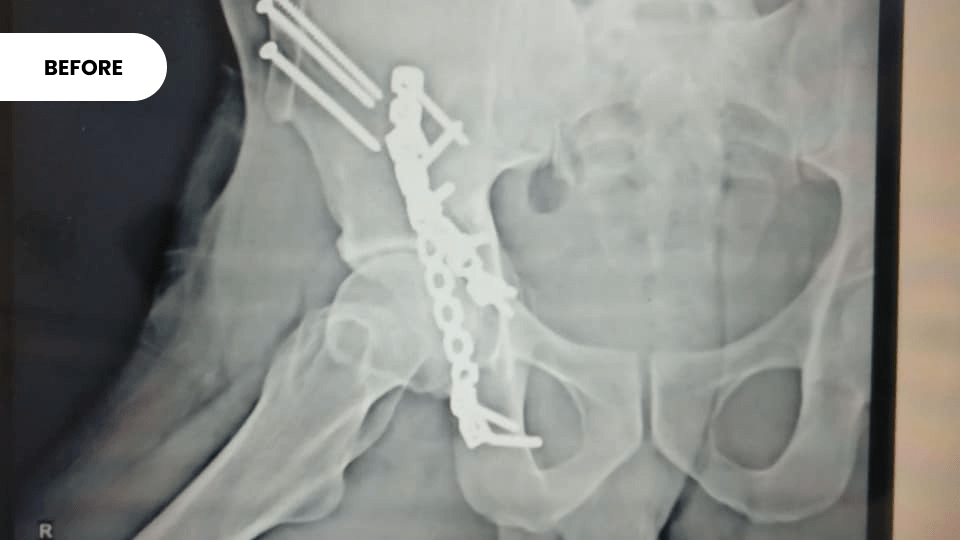
- X-ray: Reveal changes in the bone structure that occur in the later stages of AVN.
- MRI and CT Scan: Produce detailed images of the bone that might indicate avascular necrosis.
- Bone Scan: A radioactive material is injected into the vein that travels to the injured parts of the bones. It shows up as bright spots on the imaging plate.
Treatment and Management of Avascular Necrosis
Avascular necrosis can be treated in various ways, but the treatment depends on the patient’s age, stage of AVN, joints involved, and underlying cause.
Non-Surgical Management
Non-surgical avascular necrosis treatments are beneficial for early-stage AVN or for people who cannot undergo surgery:
- Medications: Different types of medications can be used to reduce symptoms, such as NSAIDs (for pain relief), Bisphosphonates (may slow bone damage), Blood thinners (for clotting disorders), and Cholesterol-lowering drugs (reduce the amount of cholesterol and fat in the blood).
- Physiotherapy: Regular physiotherapy is essential to maintain or improve the range of motion in the joints.
- Restricted Weight Bearing: Using crutches or a cane for several months to reduce pressure on the affected bone, which might help slow the bone damage.
All these non-surgical treatment options can only delay progression, but do not cure AVN.
Surgical Treatments
Surgeries are needed when conservative therapies fail, and in those cases, where people usually do not develop symptoms until AVN is advanced.
- Core Decompression: It is the most common treatment for early-stage AVN. In this procedure, small holes are drilled into the affected bone to reduce the pressure and improve blood flow.
- Bone Grafting: It involves removing dead bone tissue and replacing it with healthy bone tissue. The bone tissue may be used from the patient’s own body or from a donor. It strengthens the joint and restores blood supply.
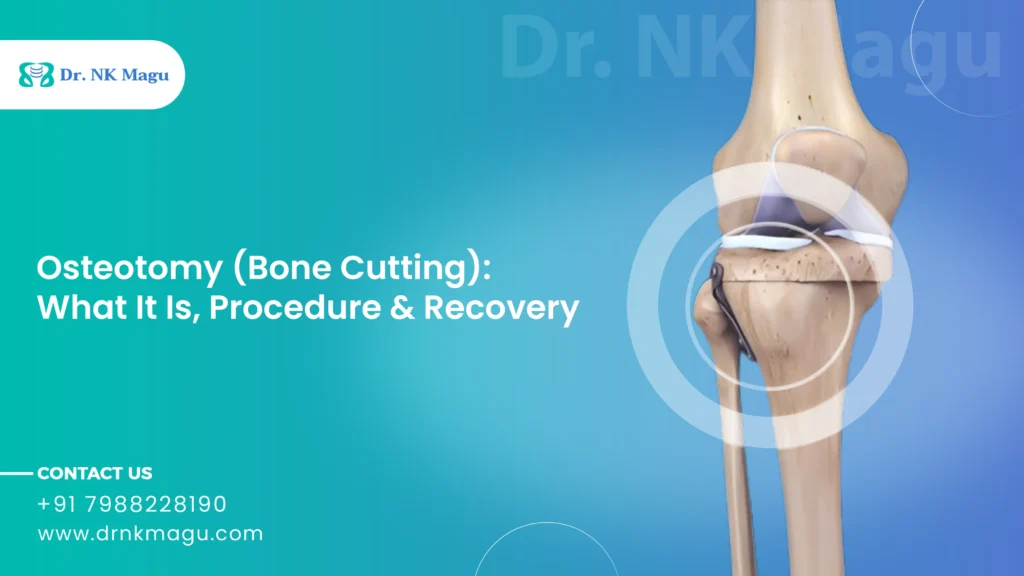
- Bone Reshaping (Osteotomy): It involves reshaping of the bone to reduce weight on the affected area. This procedure might help postpone joint replacement.
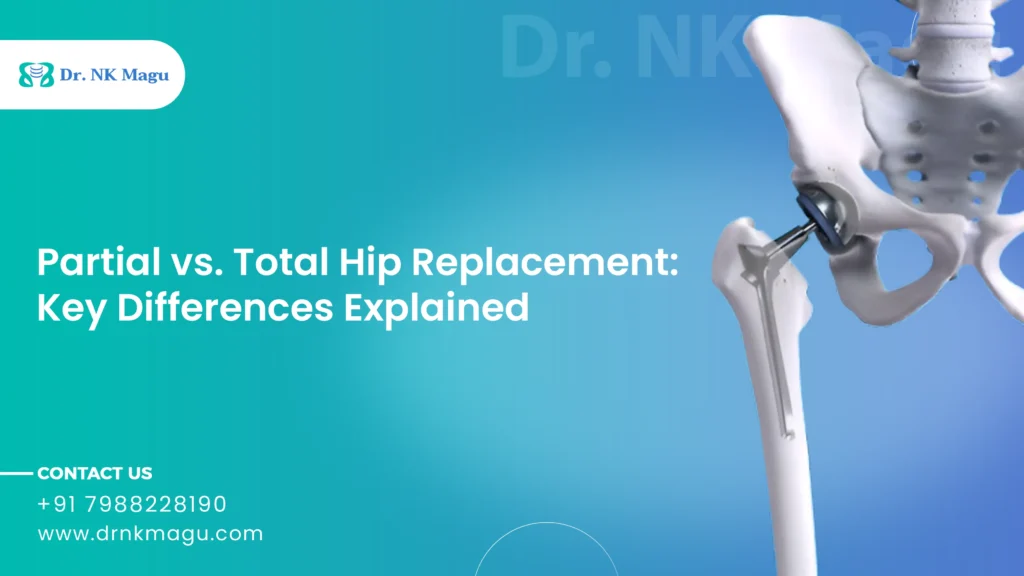
- Joint Replacement: It is the most effective solution when the bone has collapsed in the advanced stages of AVN. It replaces the damaged joint with an artificial one.
- Stem Cell Therapy: It is a newer technique in which stem cells are injected into the decompressed bone to regenerate healthy tissue. It is beneficial in early-stage AVN.
Regular follow-ups, maintaining a healthy lifestyle, and avoiding risk factors play a crucial role in managing avascular necrosis and ensuring long-term joint health.
Know more:- Avascular Necrosis Surgery Cost in India
Conclusion
Avascular Necrosis is a progressive condition, but with early diagnosis and timely treatment, patients can prevent joint collapse and maintain quality of life. If you are looking for cost-effective avascular necrosis treatment in India, you can consider Dr. NK Magu. He is a renowned orthopedic surgeon, known for his expertise in AVN and advanced joint preservation techniques. Taking the first step toward the right treatment can set you on a path to renewed strength and comfort.