Are you one of those who experience hip pain while walking, but not as much when engaging in other activities? Hip pain can be uncomfortable and affect people of all ages. It is vital to understand if the pain will subside in a few days or something more serious. There can be multiple contributors to hip pain when walking. If you are looking for answers, this blog is helpful for you. Let’s begin!
What is Hip Pain?
First, we need to understand what exactly hip pain is. Hip pain encompasses any discomfort in the hip area, including the groin, buttocks, and lower back, that can range from mild to severe. The pain may be accompanied by stiffness, swelling, or mobility restriction.
Because the hip joint involves bones, muscles, ligaments, and other structures, identifying the exact cause of pain can be challenging. Pain felt in the groin or inner hip usually points to a problem within the hip joint, while discomfort in the outer hip, thigh, or buttock is more often related to issues in the surrounding muscles, tendons, or ligaments.
Common Causes of Hip Pain When Walking
Below are some common reasons why individuals may experience hip pain while walking:
Arthritis
It is the major cause of hip pain when walking. The most common type of arthritis that can affect the hip joint is osteoarthritis. Osteoarthritis, often referred to as wear-and-tear arthritis, occurs when the cushioning cartilage in a joint gradually breaks down. As a result, the bones begin to rub against each other, causing pain, stiffness, swelling, and limited movement. It usually affects individuals over 50.
Labral Tears
A labral tear is damage to the ring of cartilage (labrum) that surrounds the hip joint. It can cause due to activities such as ice hockey, golf, football, and soccer. Individuals with a hip labral tear will feel pain across the entire hip, a decreased range of motion, and a locking & clicking sensation while walking.
Bursitis
Small fluid-filled sacs, called bursae, act as cushions between the bones and soft tissues. Due to repetitive movements or overuse, bursae can be inflamed and cause bursitis, leading to swelling, pain, and tenderness. The pain often worsens when lying on the affected side, during repeated movements, or while walking and bearing weight.
Hip Flexor Strain
The hip flexors are the four muscles that connect the femur to the lower back and hip, and are responsible for walking, bending over, and standing. A hip flexor strain occurs when these muscles are injured or stretched, making it harder to move the knee and thigh.
Sciatica
It can cause hip pain while walking due to irritation or compression of the sciatic nerve. The pain often starts in the lower back or hip and radiates down the leg, making walking uncomfortable. It may worsen with prolonged movement, standing, or certain postures.
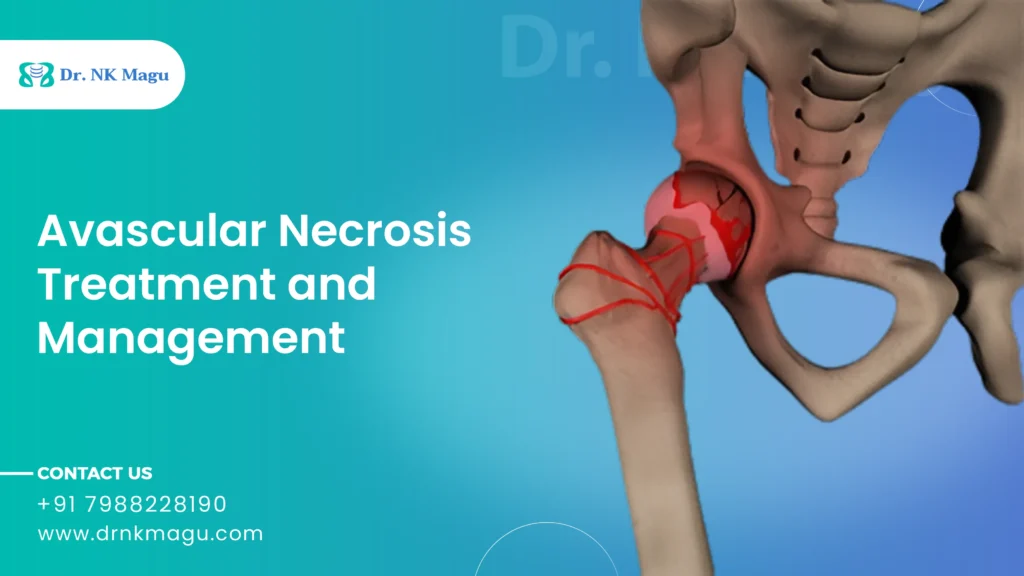
Avascular Necrosis
Avascular necrosis can cause hip pain while walking due to reduced blood supply to the hip bone. This leads to bone damage and joint collapse over time. Pain usually starts mildly and worsens with weight-bearing activities like walking, eventually limiting movement and mobility.
Treatments for Hip Pain When Walking
Treatment options for hip pain depend on the underlying cause, and there are many techniques to minimize and prevent the pain. Common treatment includes:
Medications
Pain relievers and anti-inflammatory medicines help reduce pain, swelling, and stiffness, making walking more comfortable.
Physical Therapy
Stretching exercises to strengthen hip muscles, improve flexibility, and correct movement patterns to reduce pain while walking.
Lifestyle Modifications
Reducing high-impact activities, maintaining a healthy weight, and using proper footwear can ease stress on the hip joint.
Heat and Cold Therapy
Heat relaxes tight muscles, while cold packs reduce inflammation and pain after walking or activity.
Injection Therapy
Corticosteroid or lubricating injections can reduce inflammation and provide temporary pain relief.
Surgery
Procedures such as hip arthroscopy or hip replacement may be recommended to restore mobility and relieve pain.
Know More:- Hip Resurfacing Cost in India
Conclusion
Hip pain while walking can significantly affect daily activities and quality of life, but timely diagnosis and appropriate treatment can provide effective relief. Understanding the underlying cause is key to choosing the right treatment approach. With proper medical care, lifestyle adjustments, and rehabilitation, most individuals can reduce pain, improve mobility, and return to an active, comfortable life.