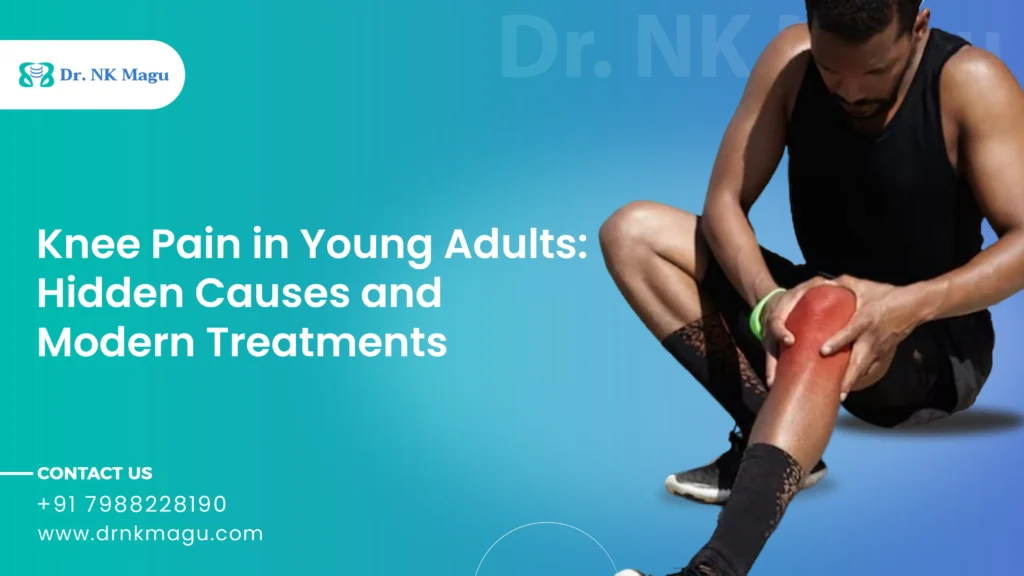
Knee pain is commonly associated with older adults, but nowadays, a growing number of young adults in their 20s and 30s are experiencing significant knee discomfort. For many, this pain can interfere with daily activities, physical work, and productivity, which eventually hampers the overall quality of life.
Knee problems are much more common in young adults than most people realize. One study of individuals aged 18–39 found that about 32% had experienced some type of knee issue in the past year. In this group, knee pain was the most frequent complaint, making up around 65% of all reported problems.
Another study focusing on patellofemoral pain syndrome (PFP), a major cause of knee pain, showed similar results. It found that among young adults aged 16–35 who had tight quadriceps muscles, more than 30% experienced ongoing knee pain, with many dealing with symptoms for over three months.
In this blog, we’ll explore why knee pain is becoming increasingly common among young adults, what causes it, and the most effective treatment options. Let’s get started!
What are the Causes of Knee Pain in Young Adults?
Several hidden causes contribute to knee pain in young adults:
Patellofemoral Pain Syndrome
- It is the most common cause of knee pain in younger adults, commonly caused in athletes or those who perform regular knee-bending activities.
- Weak thigh muscles and tight muscles around the knee produce strain and pressure inside the joint. Due to this pressure, the area can become inflamed, and the person may experience pain around the kneecap.
- Symptoms worsen with squatting, running, stair-climbing, or sitting for long periods.
Overuse Injuries and Strain
- Repetitive strain from running and strength training can cause tendonitis, bursitis, or other soft tissue issues.
- Pain and stiffness can develop quickly when muscles, ligaments, and tendons are overstressed.
- It can develop in individuals who are quite inactive, but all of a sudden increase their activity.
- Common triggers are sudden jumps in training or poor techniques.
Improper Footwear and Posture
- Wearing shoes with poor cushioning or uneven soles can misalign the feet and knees, leading to extra stress on the joints.
- Standing, walking, or sitting with incorrect posture can put weight unevenly on the knees, causing strain on the joints.
- Over time, this strain can weaken surrounding muscles and worsen discomfort during daily activities.
Osteoarthritis
- Repeated injuries, joint stress, or cartilage damage earlier in life can lead to early degeneration, which increases the risk of developing arthritis.
- Risk factors like high BMI and a history of joint injury can accelerate this process.
Obesity
- Carrying extra body weight places additional pressure on the knee joints, making them work harder and increasing the risk of pain and strain.
- It also accelerates the breakdown of cartilage in the knees, which can lead to early joint degeneration.
What are the Consequences of Ignoring Knee Pain?
Ignoring knee pain in younger adults can lead to serious long-term issues:
- Chronic pain and stiffness: Persistent knee pain can become a chronic issue, reducing mobility and affecting quality of life.
- Early joint degeneration: Repeated injury or untreated biomechanical issues can predispose young adults to early-onset osteoarthritis.
- Reduced physical activity: Fear of pain or reinjury can lead to reduced participation in sports or exercise, which ironically may worsen joint health over time.
Modern Treatments for Knee Pain in Younger Adults
Fortunately, there are many modern, evidence-based treatments for knee pain in young adults. These include:
- Targeted Physiotherapy & Strength Training: Personalized exercise programs that strengthen the quadriceps, glutes, and hip muscles while improving flexibility and correcting movement patterns.
- Gait & Posture Training: Use of gait analysis and movement screening to identify issues and retrain proper alignment, reducing knee stress.
- Regenerative Treatments (PRP & Stem Cell–Based Therapies): Platelet-Rich Plasma (PRP) injections help reduce inflammation for tendon injuries and mild cartilage damage.
- Hyaluronic Acid Injections: It is also known as lubrication injections to improve joint cushioning and reduce pain in early joint degeneration.
- Arthroscopic Surgery: It is a minimally invasive procedure used for meniscus tears, cartilage injuries, or loose bodies.
- Joint Replacement: In rare cases where other treatments have failed, partial or total knee replacement may be an option.
Know More:- Knee Replacement Surgery Cost in India
To Conclude
Knee pain among young individuals is a growing health concern that requires timely intervention and proper care. While the causes may range from overuse and poor posture to obesity or early joint degeneration, the good news is that today’s treatment options are more advanced and effective than ever. With the right approach, these treatments can prevent long-term complications and enable individuals to lead a healthy and pain-free life.